Case studies
-
Brand direction • Content systems • SEO optimization • Conversion copy
Results at a glance:
+30% organic traffic
300+ new leads
Scalable content library
The challenge
Stride’s blog held a large library of valuable content, but most of it wasn’t working.
Articles were outdated, poorly optimized, and disconnected from lead generation. The structure and internal linking lacked consistency, metadata wasn’t supporting search visibility, and there was no system for tracking which content had been updated or how pieces could be reused across channels. It was high effort for low return.
My approach
I rebuilt the blog as a clear, scalable growth channel by:
Optimizing existing content: Improved search performance through refreshed structure, metadata, sourcing, and internal linking.
Connecting content to conversions: Implemented strategic CTAs and newsletter sign-ups to turn traffic into leads.
Improving UX: Added a translation tool and tested CTA copy, placement, and article structure to increase engagement.
Building a content catalog: Created a tracking system that documented SEO status, performance, and repurposing opportunities for every article.
Results
+30% organic traffic and search visibility
300+ new email leads generated via blog CTAs
Reusable, data-backed CTA microcopy rolled out across campaigns
Content catalog enabling scalable repurposing
Outcome
What was once a static archive is now a functioning growth engine.
Stride’s blog now attracts qualified search traffic, consistently captures leads, and feeds other marketing channels through an organized repurposing system. Most importantly, the team has an ongoing framework they can maintain and scale, instead of starting from scratch with each new article.
-
Brand direction • Content systems • Conversion and UX copy
Results at a glance
18% increase in homepage conversion rate
21% increase in average session duration
Unified brand voice across site and product flows
Clear brand positioning targeted to the core customer
The challenge
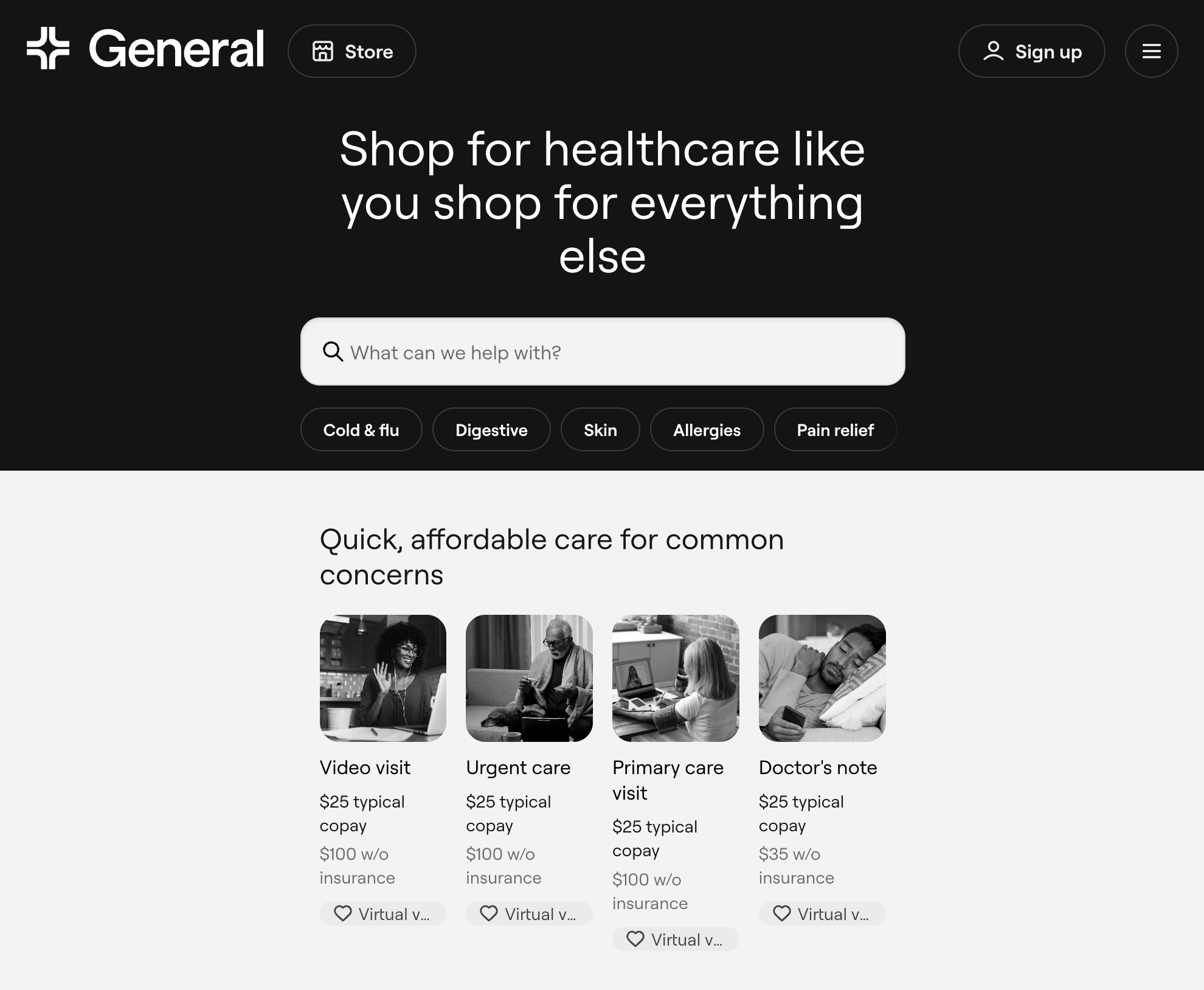
General Medicine was undergoing a company-wide rebrand. Their existing messaging no longer reflected who they were or who they served. The brand voice felt generic, product value wasn’t landing with the intended audience, and the website and product flows weren’t optimized for clarity or conversion.
They needed a cohesive brand narrative and practical messaging system to anchor the rebrand—not just new words, but a foundation the whole team could use.
My approach
I partnered with General Medicine’s lean marketing team to tackle the brand and messaging overhaul from strategy through execution:
Defining the brand direction: Built a new brand positioning informed by customer research and behavioral data, including value props, differentiators, narrative framing, and a brand voice guide designed to resonate with their core audience.
Creating a messaging framework: Developed structured messaging tools that translated strategy into real-world use across marketing and product.
Writing website and product flows: Applied the new brand system to homepage and conversion pathways, rewriting copy to improve clarity, confidence, and action.
Optimizing for conversion: Refined messaging for scannability, emotional resonance, and decision-making clarity to reduce friction and guide users toward next steps.
Results
18% increase in homepage conversion rate
21% increase in average session duration
Brand and style guidelines to unify messaging across channels
Outcome
This strategic reset gave the team a shared narrative, a consistent voice, and a messaging system they could confidently scale across campaigns, content, and in-product experiences. Instead of rewriting from scratch with every initiative, they now operate from a reusable communication foundation built for growth.
-
Content strategy • Brand messaging strategy • UX website copy
At a glance:
3 audiences
One cohesive brand narrativeEntire website
Strategy spanning every page and journey6 months
From developing brand to launch-ready experience
The challenge
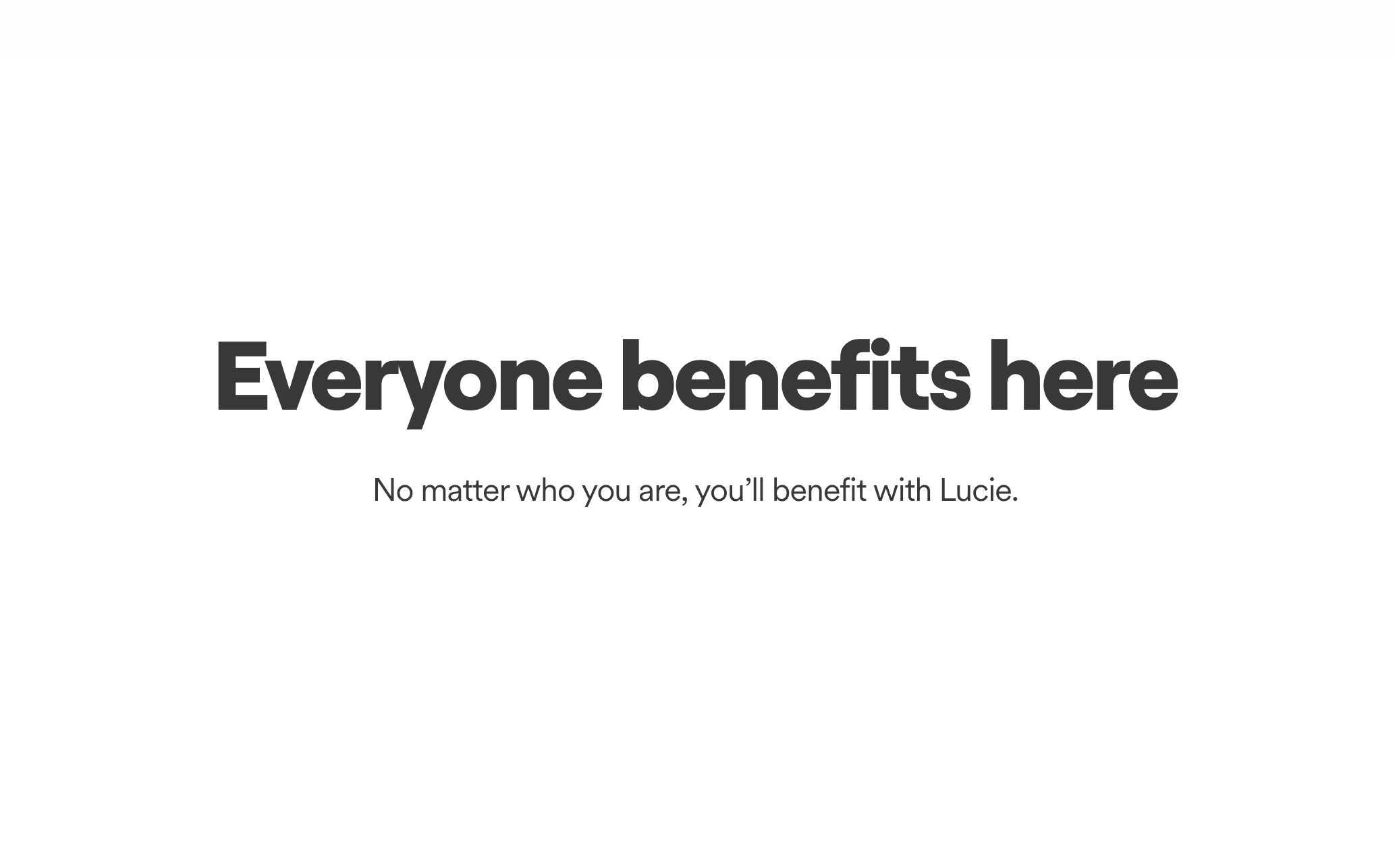
Lucie was launching a new kind of health benefits marketplace and needed to make an unfamiliar model immediately understandable.
It also had three very different audiences. Individuals needed to understand and trust a new way to build their own benefits. Employers needed to see how a better employee experience could benefit their business. And brokers needed to see how Lucie enabled them to better serve clients and grow.
The challenge: Build one brand narrative that could do all three.
My approach
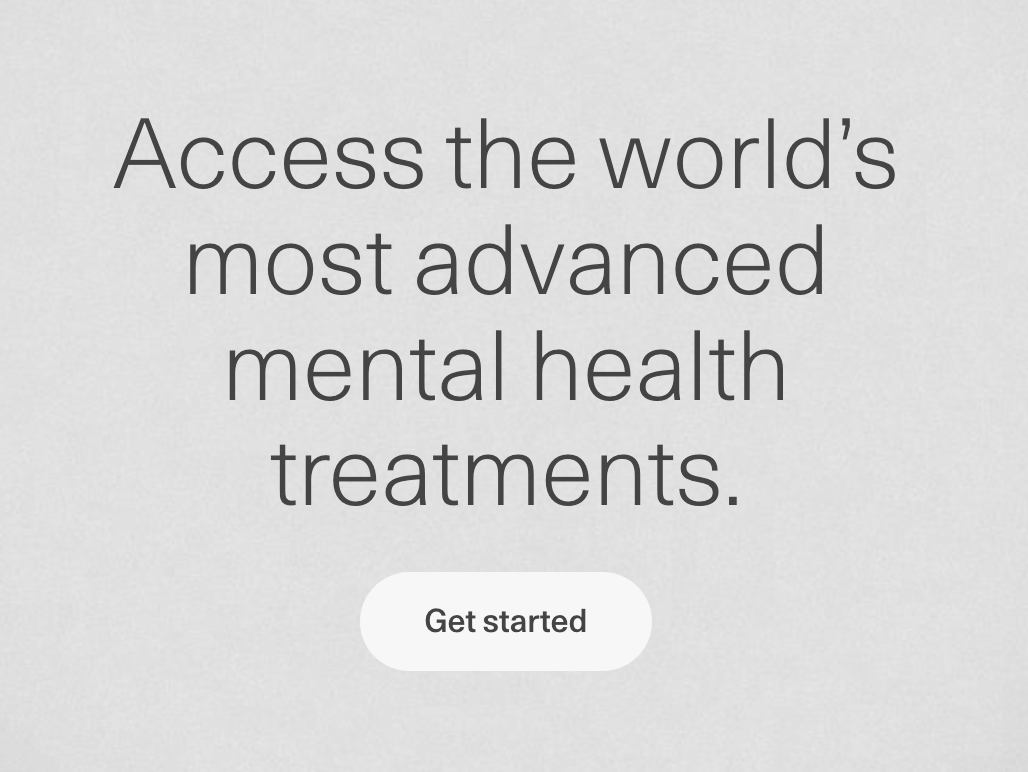
I spearheaded on-page content strategy across Lucie's entire website, transforming an evolving brand strategy into a cohesive digital experience.
I started with competitive messaging and brand voice research to understand where Lucie could stand apart. The category was already saturated with promises of "simple," "easy," "personalized," and "all-in-one,” so we couldn't rely on saying Lucie was simpler. The experience had to prove it.
From there, I shaped the overarching brand narrative and mapped how it needed to flex across three audience journeys:
Individuals: Understand it → trust it → experience it
Employers: See a better employee experience → understand the value to their business
Brokers: See Lucie as a business-building tool, not a competitor
Then I brought that strategy down to the page level, refining the sitemap and establishing messaging hierarchy, positioning, CTAs, internal linking, and what information belonged where.
I turned the strategy into page briefs, messaging frameworks, wireframe annotations, and voice guidance, then served as one of two copywriters who wrote the entire site.
The results
Six months later, Lucie launched with more than a new website. It had a content system built to introduce a new marketplace to three distinct audiences without losing the thread.
Complex benefits information had a clear hierarchy. Each audience had a journey built around its own questions and objections. And Lucie's developing brand voice had become a distinct language that could stretch across the entire digital experience.
-
Editorial strategy • Audience growth • Conversion copy • Thought leadership
Results at a glance:
44.6% open rate
6.8% click-through rate
0.8% unsubscribe rate
Direct conversions
The challenge
Radial needed a way to build sustained trust and demand outside of paid acquisition.
They had strong clinical expertise and compelling patient outcomes, but no outreach channel to consistently communicate their point of view, educate prospective patients, or nurture interest over time. There was also no system for translating clinician knowledge into accessible, brand-aligned content at scale.
My approach
I strategized and write Radial Weekly, a newsletter that functions as both a thought leadership channel and soft-conversion engine by:
Establishing the editorial foundation: Defined the newsletter’s purpose, tone, positioning, and content pillars.
Building a clinician-integrated workflow: Leveraged existing Radial content and created a lightweight medical review system to ensure clinical accuracy without slowing production.
Owning weekly newsletter creation: Led topic ideation, writing, editing, and production for every issue.
Partnering with marketing on distribution and optimization: Integrated with Radial’s marketing lead to coordinate sends, review performance, and iterate on topics, CTAs, and structure based on engagement and conversion data.
Results
44.6% open rate
6.8% click-through rate
0.8% unsubscribe rate
5,686 subscribers and growing
Discovery call bookings
Prospective patient inquiries
Outcome
Radial Weekly is now a durable owned channel that turns clinical expertise into a steady stream of educated, high-intent prospects.
Instead of relying solely on paid traffic or one-off content, Radial has a consistent way to show how they think, what they treat, and why their model works—week after week. The newsletter supports brand authority, nurtures long-term trust, and contributes directly to the pipeline, all through a system the team can maintain and scale.
Selected Work
-
![General Medicine Homepage]()
General Medicine Homepage
-
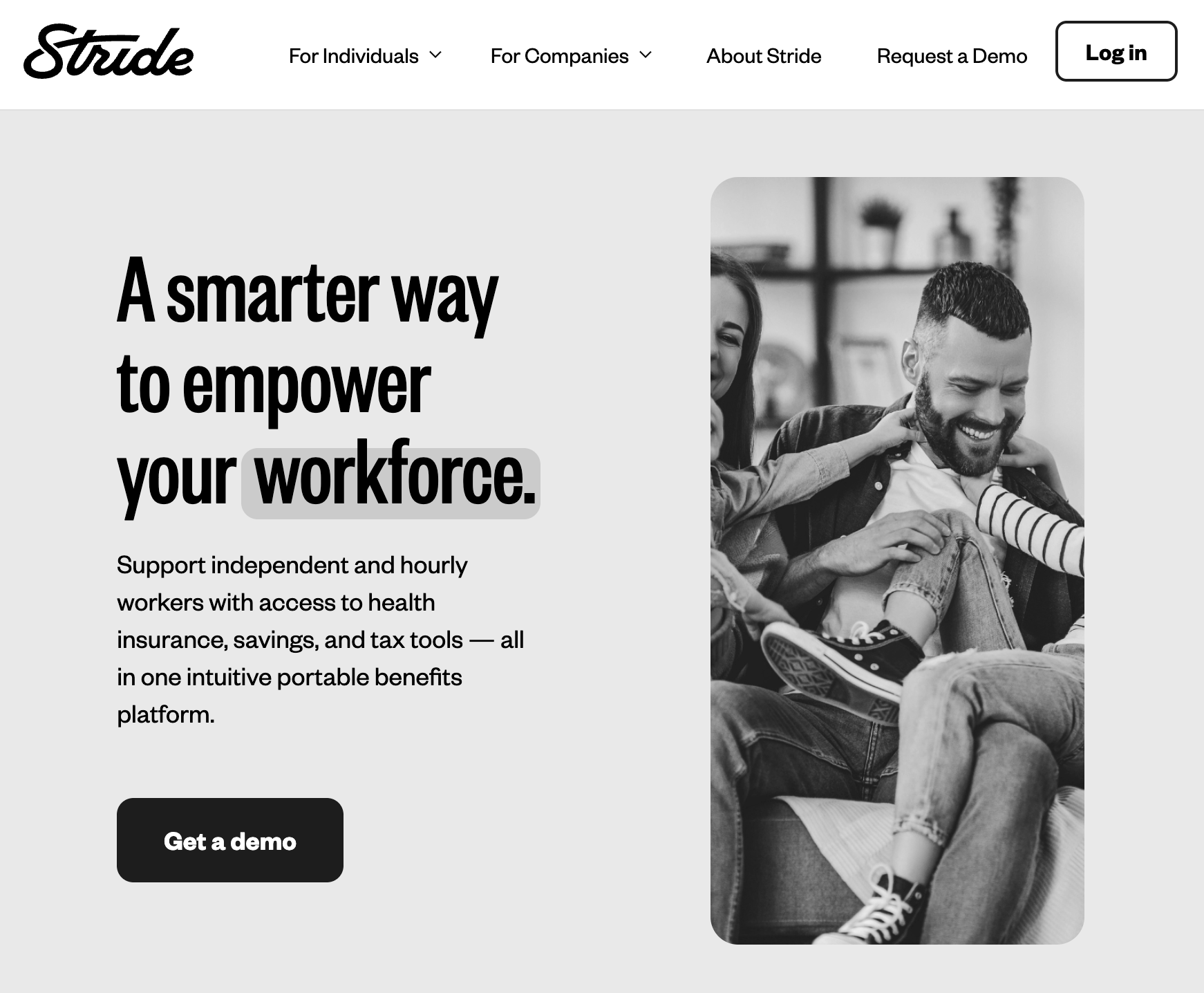
![Stride Health landing page]()
Stride Health landing page
-
![Radial SEO blog content]()
Radial SEO blog content
-
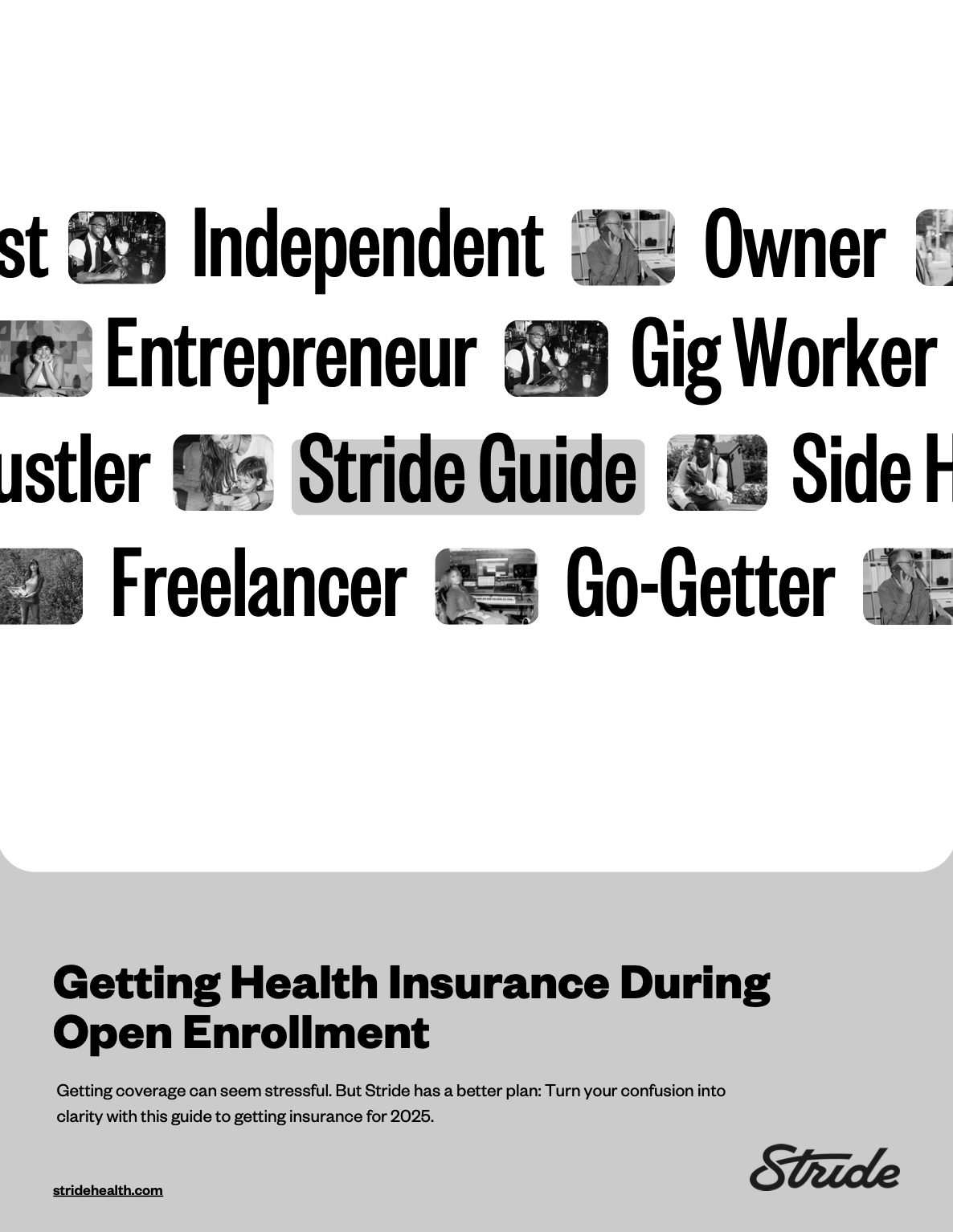
![Stride Health lead magnet]()
Stride Health lead magnet
-
![Equip SEO blog content]()
Equip SEO blog content
-
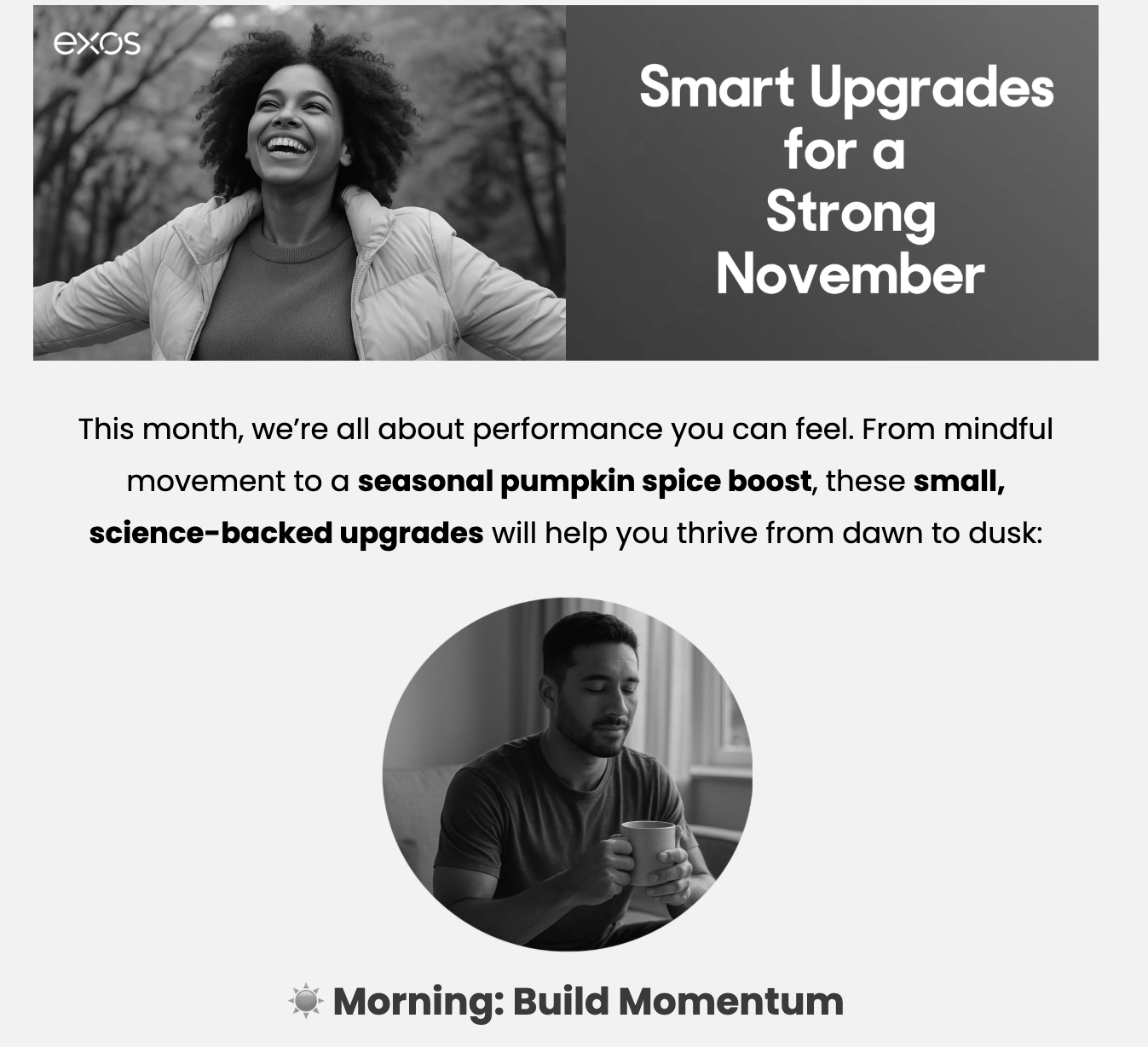
![Exos monthly newsletter]()
Exos monthly newsletter